
What if I told you the secret to achieving your goals isn’t willpower, but a better process?
Most people approach goal setting like a high-pressure test. We focus on big, ambitious outcomes—a new job, a fitness goal, a financial milestone—and then feel overwhelmed when the journey gets hard. This focus on outcomes often leads to burnout, frustration, and eventually, giving up.
But what if you could change your relationship with goals entirely?
The most successful people don’t just set goals; they master the process of achieving them. This week, we’ll explore how to shift your focus from a stressful destination to a rewarding journey, making progress inevitable rather than a struggle.
Productivity Tip: Set Roles and Goals
Think of a vision or big goal as a destination on a map. You know where you want to go, but without a clear road, you’ll get lost. Your process is that road—the daily habits and systems you build to get there.
Focusing on process offers three major advantages:
- It creates sustainable motivation. Relying on willpower alone is a losing game; it’s a limited resource. When you create a clear process, like a daily routine or a simple checklist, you build a system that pulls you forward.
- It turns setbacks into lessons. When you’re focused on a big outcome, a single setback can feel like a complete failure. But when you’re committed to the process, a bad day is just a data point. You can ask: “What did I learn today?” or “How can I adjust my process?” This approach keeps you moving forward.
- It provides immediate satisfaction. You don’t have to wait to celebrate. Every time you complete a task in your process, you get a small win. This immediate feedback loop builds momentum and makes the journey itself rewarding.
What is the “system” and process to make goal-setting fun, achievable, and exciting:
- By role, develop a personal written vision (not set of goals);
- For each role, set 1-3 written goals that align with your vision.
- Make your goals process focused; e.g., “I’ll do on average 20 pushups per day, completing over 7,000 pushups in 12 months”
- Share your process-focused goals with others.
Dr. Gail Matthews of Dominican University found in a study of 149 people that those who wrote down their goals were 42% more likely to achieve them. But the most successful group added a crucial element: accountability by regularly sharing their goals with others and providing updates. This group was 70% more likely to achieve their goals.

Case Study: Jerry Seinfeld (The Chain)
Jerry Seinfeld’s comedy career wasn’t built on a single, massive goal. Instead, he built his success on a simple, daily process.
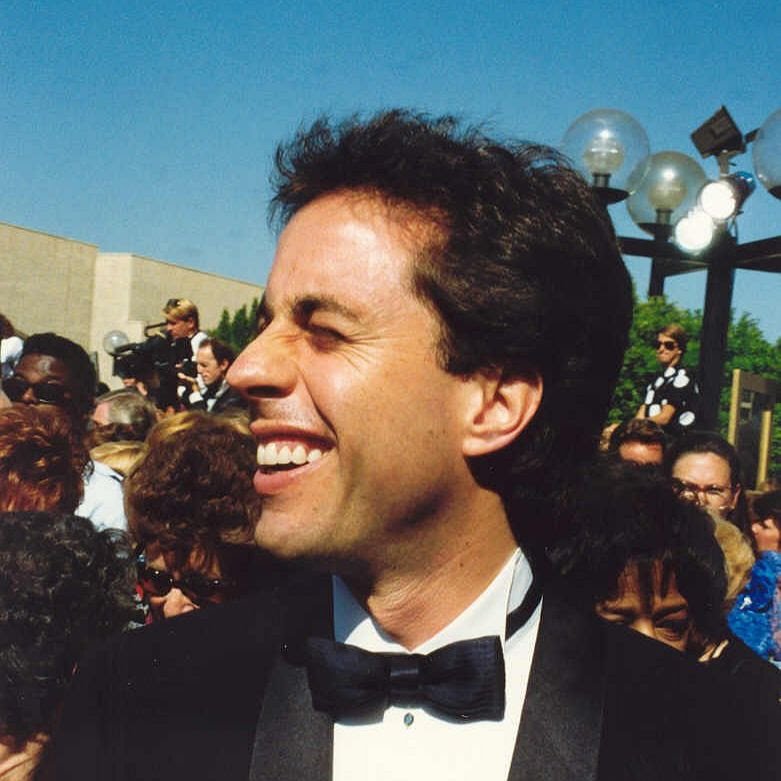
When a young comedian asked for advice, Seinfeld shared his secret: to get better at writing jokes, he committed to writing one joke every single day. He hung a large calendar on his wall and, for every day he wrote, he put a big red “X” on that day. The goal wasn’t to write a perfect joke—it was simply to not break the chain of X’s.
This process was brilliant because it shifted his focus from a stressful outcome (“write a great joke”) to a manageable, rewarding task (“add one more X to the chain”). Each X gave him a hit of dopamine and a sense of progress. The growing chain became a source of pride and visual momentum. The process itself became so engaging that the idea of missing a day became unthinkable.
His success, fame, and wealth weren’t his primary focus; they were the natural result of his relentless commitment to an enjoyable and effective process.
So, Now What? How do I apply this?
Remember that big goal you set at the start of the year that might have fallen by the wayside? It’s not too late to resurrect it! You can turn it from a daunting outcome into a manageable process.
Ready to transform your goal-setting?
- Shift to process goals. Instead of focusing on “lose 20 pounds,”create a process goal like “complete my workout routine 5 days per week.”This gives you a clear action to take and a win to celebrate every single day.
- Make progress visible. Find a way to track your process that gives you immediate satisfaction. Use a journal, a streak-tracking app, or a physical calendar like Seinfeld’s. Use a Becoming Your Best Planner! Make it impossible to ignore your progress and celebrate those small wins consistently.
- Build supportive accountability. Share your process commitments—not just outcomes—with a friend or colleague who will check in weekly. Focus these conversations on what you learned and how you can improve your process.
- Integrate this into your pre-week planning. As part of your pre-week planning, start by revisiting your vision and the process goals tied to each life role. This ensures your actions for the week ahead are aligned with what matters most, keeping your progress on track.
Focusing on the process turns goal setting from a source of stress into a source of momentum. It’s how you turn big dreams into consistent, daily actions. That’s becoming your best!
“Don’t break the chain.”
-Jerry Seinfeld
Fall Planners
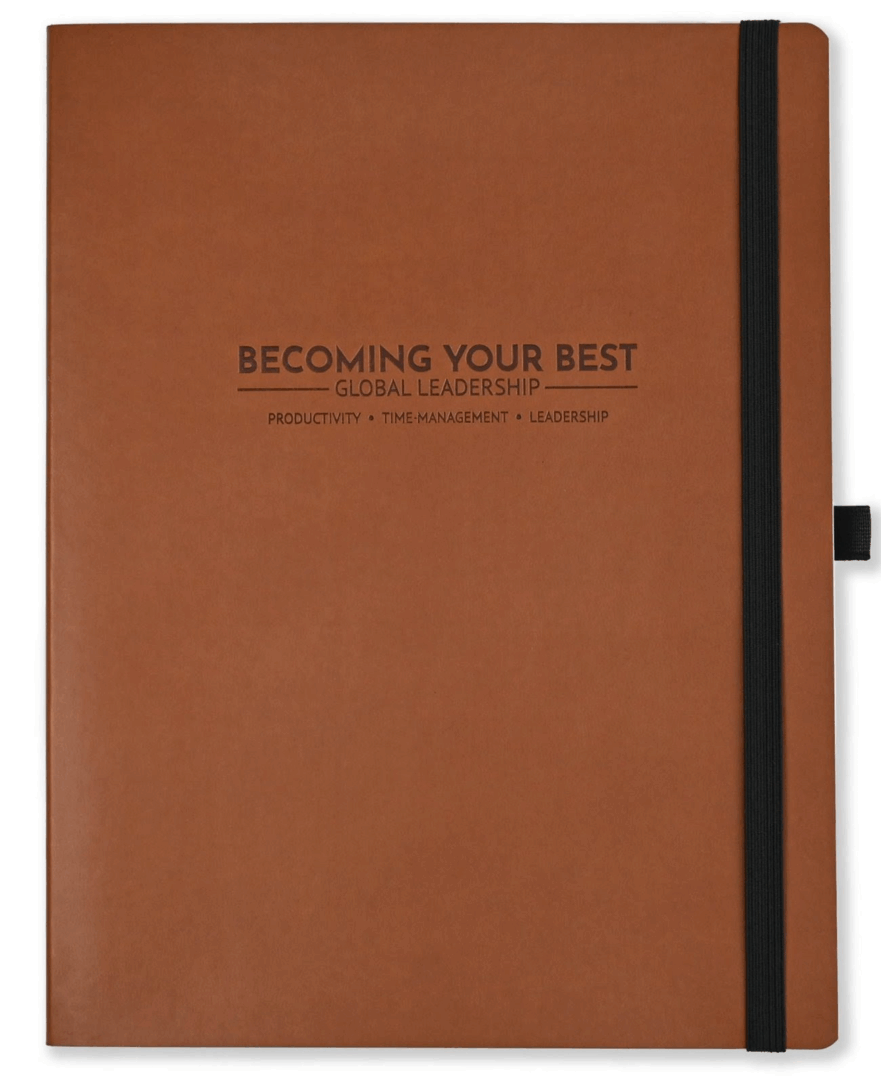
Where do you write your weekly virtue? Get a planner built around the success rhythm and the habits to Do What Matters Most! You have a dedicated place for a weekly virtue! Plus, a pre-week planning matrix to schedule priorities first. And a weekly and monthly reflection guide to boot! Grab yours and lead your life by design.
Want to learn more about our training solutions?
Leadership Development: The 12 Principles of Highly Successful Leaders
Do What Matters Most: The #1 Time-Management and Productivity Solution
The Six-Step Process: Six-Steps to Solve Your Biggest Challenges
Free Resources